
Introduction:
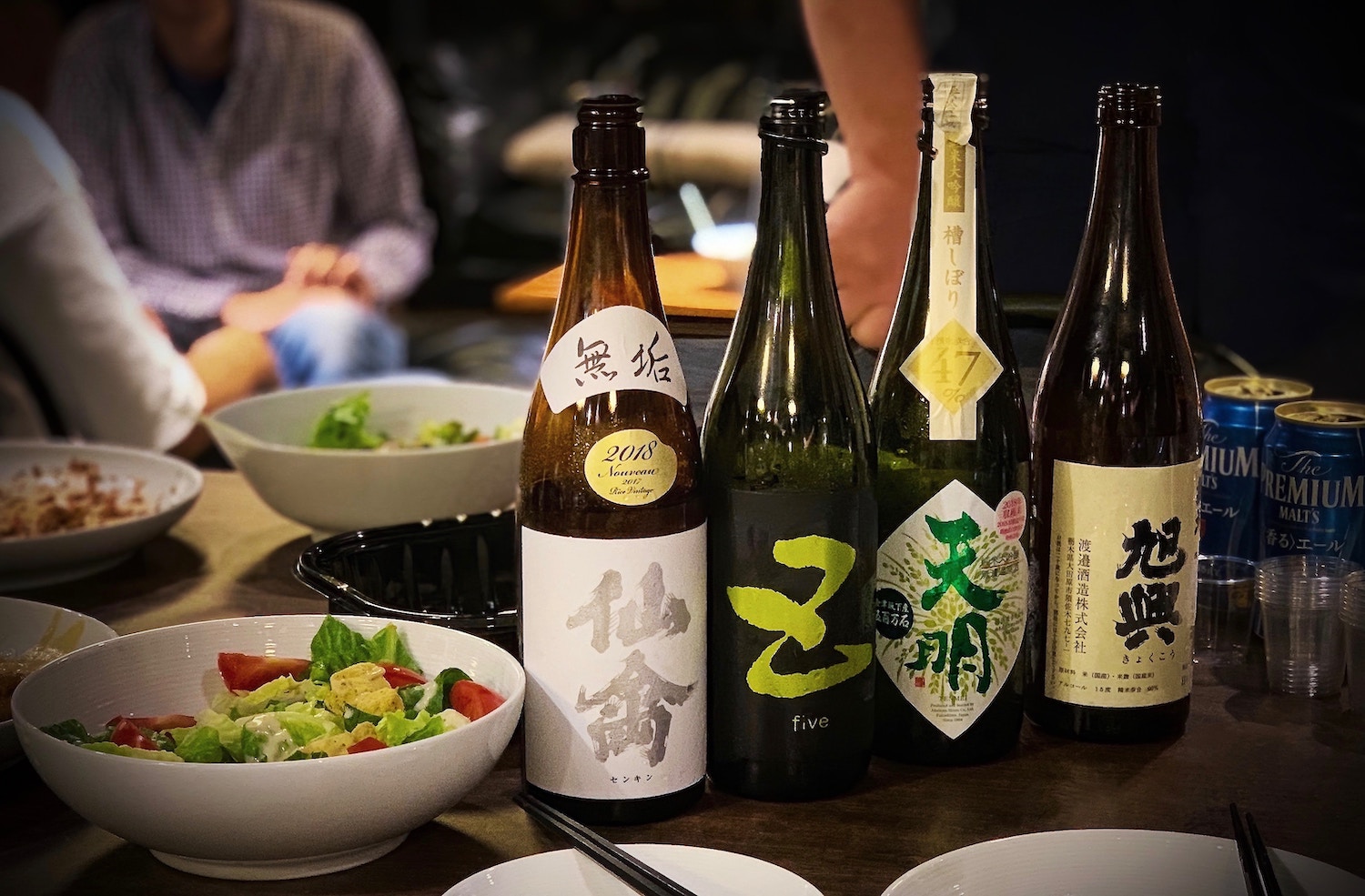
Sake, often referred to as Japan's national drink, is a beverage steeped in tradition and craftsmanship. While it may seem simple at first glance, sake boasts an incredible diversity of types and styles, each with its unique flavor profile and characteristics. In this blog post, we'll dive into the fascinating world of sake varieties and styles, helping you navigate the rich landscape of this beloved Japanese libation.
Understanding Sake Types:
- Junmai Sake: Junmai sake is a pure rice sake, meaning it's made with only rice, water, yeast, and koji mold. It tends to have a rich, full-bodied flavor with a rice-forward character and is often enjoyed warm.
- Ginjo Sake: Ginjo sake is known for its fruity and floral aromas. It's made using rice that has been polished to at least 60%, resulting in a lighter and more delicate taste. Ginjo sake is typically served chilled to accentuate its flavors.
- Daiginjo Sake: Daiginjo is the pinnacle of premium sake. The rice used for Daiginjo is polished even more, usually to at least 50%. This results in an exceptionally refined and elegant sake with complex fruity notes. It's often enjoyed on special occasions.
- Nigori Sake: Nigori sake is unfiltered, leaving some rice sediment in the bottle. This gives it a cloudy appearance and a creamy, slightly sweet taste. Nigori is a favorite among those who enjoy a more rustic and textured sake.
- Honjozo Sake: Honjozo sake is similar to Junmai but with a small amount of brewer's alcohol added. This addition can make the sake lighter and more aromatic. It's often served slightly chilled.
Exploring Regional Styles:
Sake styles can also vary by region in Japan. Some notable regional varieties include:
- Futsu-shu: This is the most common type of sake and is often referred to as "ordinary" or "table" sake. It's an everyday sake that's affordable and widely available.
- Kyoto Sake: Kyoto is known for producing refined and elegant sake, often on the sweeter side. The region's pure water source contributes to its unique character.
- Niigata Sake: Niigata is famous for producing clean and crisp sake with a focus on purity and balance. The region's cold winters help create a distinctive taste.
- Hiroshima Sake: Hiroshima sake is known for its fruity and aromatic qualities. It's often enjoyed both in Japan and abroad.
Conclusion:
Exploring the various types and styles of sake is a delightful journey into the heart of Japanese culture and craftsmanship. Whether you prefer the boldness of Junmai, the elegance of Daiginjo, or the cloudiness of Nigori, there's a sake style to suit every palate and occasion. So, the next time you raise a glass of sake, take a moment to appreciate the diversity and complexity of this cherished beverage. Cheers to the world of sake!