
Introduction:
Sake, Japan's iconic rice wine, is not just a beverage; it's a window into the country's rich culture and traditions. The rituals, customs, and etiquette surrounding sake add depth to the drinking experience. In this blog post, we'll delve into sake culture and etiquette, helping you navigate the world of sake with respect and appreciation for Japanese traditions.
The Sake Set-Up:
- Tokkuri and Ochoko: Sake is typically served in a tokkuri (a small ceramic or glass flask) and enjoyed from small cups called ochoko. The tokkuri keeps the sake warm or chilled, while the ochoko allow for easy sipping.
- Temperature Matters: Depending on the type and quality of sake, it can be served at various temperatures. Junmai and Honjozo sake are often served warm, while Ginjo and Daiginjo are usually served chilled. Nigori sake can be enjoyed either way.
Serving and Drinking Etiquette:
- Pouring Sake: When pouring sake for others, hold the bottle with two hands as a sign of respect. It's customary to pour for your companions and allow them to reciprocate.
- Receiving Sake: When receiving sake, hold your ochoko with one hand while using the other to support the bottom. It's polite to lift your cup slightly when someone pours sake for you.
- Kanpai!: Before taking your first sip, it's customary to raise your glass and say "Kanpai!" which is the Japanese equivalent of "Cheers!" It's a joyful expression of well wishes.
- Don't Refill Your Own Glass: In a group setting, it's considered impolite to refill your own glass. Wait for someone else to offer to pour for you, or politely ask someone to do so.
- Sip, Don't Chug: Sake is meant to be sipped and savored, not consumed quickly. Take small sips and appreciate the flavors.
- Never Waste Sake: It's considered disrespectful to waste sake, so be mindful not to pour more than you can drink. Finish your sake before moving on to another type.
- Respect the Host: If you are a guest, it's customary to show appreciation to the host by saying "Otsukaresama deshita" (meaning "Thank you for your hard work") at the end of the gathering.
Cultural Significance:
- Sake in Ceremonies: Sake plays a significant role in Japanese ceremonies, including weddings, Shinto rituals, and festivals. It symbolizes purity and unity.
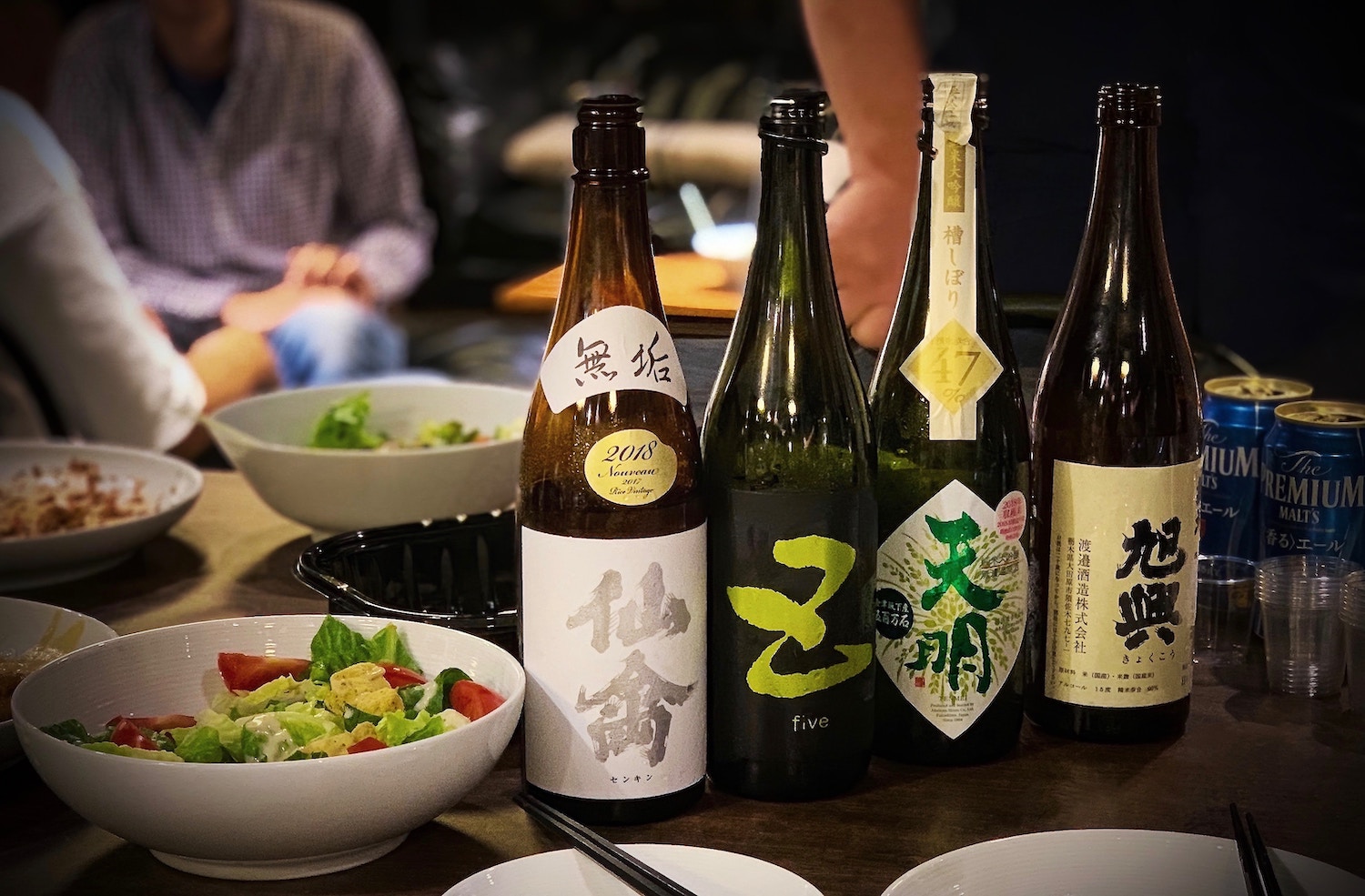
- Sake and Cuisine: Sake is often paired with a variety of Japanese dishes, enhancing the dining experience. Understanding the flavors and characteristics of different sakes can elevate your culinary adventures.
Conclusion:
Sake is not just a beverage; it's a cultural experience that reflects Japan's history, traditions, and social customs. Embracing sake culture and etiquette not only enhances your enjoyment of this iconic drink but also deepens your connection to the rich tapestry of Japanese life. So, the next time you raise your glass of sake, remember to savor not only the liquid but also the centuries-old customs that make it truly special. Kanpai!